

Investigating agencies have uncovered major and shocking evidence from the interrogation of the arrested doctors linked to the Jaish-e-Mohammed (JeM) suicide module and from their mobile phones. Forensic examination of the suspects’ mobile phones revealed a group created on the Signal App. This group’s administrator was the absconding module leader, Dr. Muzaffar, and it also included Dr. Umar, Dr. Muzammil, Dr. Adil, and Dr. Shaheen.
Major Investigation Reveals
According to investigating officers, Dr. Umar played the most crucial role in this module. Every time Dr. Umar purchased a chemical—such as Ammonium Nitrate, Triacetone Triperoxide (TATP), or any other substance—detailed information was posted in the group, including the quantity bought, the source, and plans for its preparation.
Digital footprints confirm that Umar was responsible for purchasing most of the explosive chemicals and materials (including Ammonium Nitrate, TATP, Sulfur Dioxide), as well as devices like timers and wires.
Muzammil Responsible for Securing Explosives
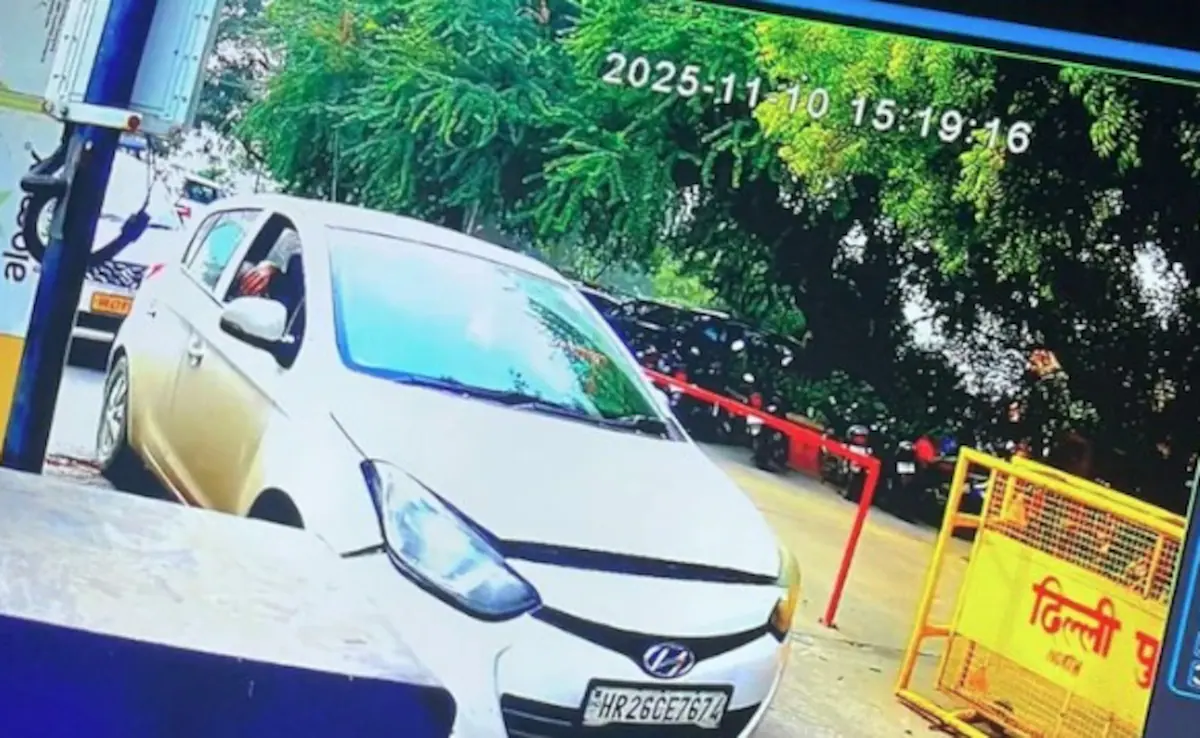
The responsibility for safely storing these purchased explosives was entrusted to Dr. Muzammil. The investigation revealed that whenever the stock of explosives and chemicals was shifted to Muzammil’s rented house, he would take photographs and send them to the group to confirm that all the materials were safely deposited. Furthermore, information regarding the purchase of the i20 car used by the module was also shared in the group by Dr. Umar.
Faisal Ishaq Bhat’s Name Surfaces
Another crucial name that emerged during interrogation is Faisal Ishaq Bhat, who is said to be the handler of this module, linked directly to Jaish-e-Mohammed. According to the accused, Dr. Umar was responsible for gathering, preparing, testing explosives, and delivering all other module-related information to this handler daily. All these reports were sent directly to Faisal Ishaq Bhat. However, the arrested accused have not yet been able to confirm the handler’s true identity.
Four Pakistani Handlers Named
Agencies believe that after the escape of Muzaffar to Afghanistan, this handler took over the responsibility for the module’s entire operation and reporting. The investigation also found that this handler was using a Saudi Arabian virtual number with the +966 code, and agencies are now attempting to uncover his actual identity.
Initial assessment suggests that ‘Faisal Ishaq Bhat’ is a pseudonym. It is suspected that the JeM network in Pakistan deliberately used a Kashmiri name to help localize the entire conspiracy and conceal the role of Pakistani elements—a strategy known as plausible deniability.
So far, the names of four Pakistani JeM handlers have emerged in the investigation: Abu Uqasha, Hanzullah, Nisar, and Faisal Ishaq Bhat.