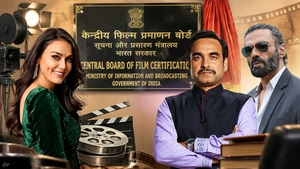


Senior Congress leader Rahul Gandhi has stepped into the controversy surrounding actor Vijay’s upcoming film Jana Nayagan, a move that has sparked fresh political speculation in Tamil Nadu. While the immediate issue relates to alleged delays by the Central Board of Film Certification, the political implications of Rahul Gandhi’s intervention are now being widely debated within Congress circles.
Rahul Gandhi criticised the Centre for what he described as attempts to stall the film’s release, calling it an attack on Tamil culture and freedom of expression. Taking aim at the BJP-led government, he said Prime Minister Narendra Modi would not be able to suppress the voice of the Tamil people. The remarks align with Congress’ broader narrative that constitutional and cultural institutions are under growing pressure.
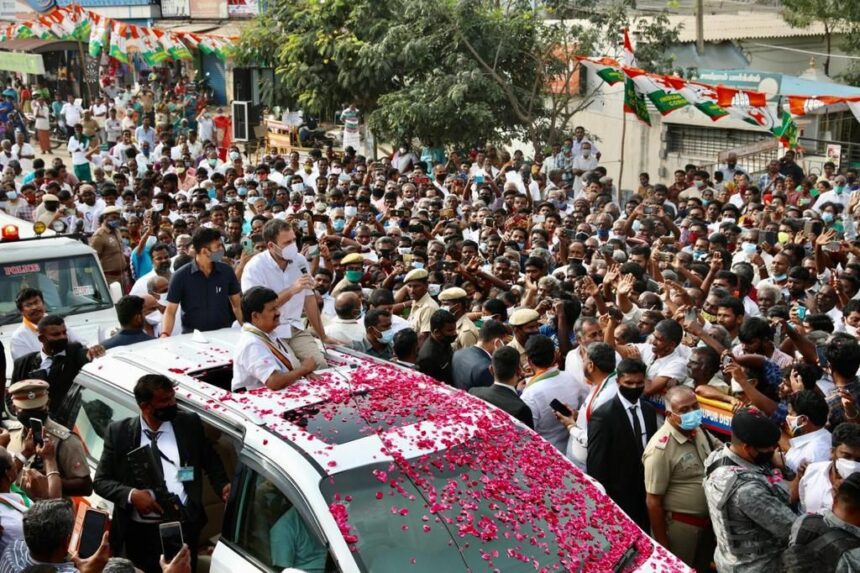
The timing of the statement added to its significance. Rahul Gandhi made the comments while attending Pongal celebrations in Gudalur in the Nilgiris, marking his first public engagement after returning from an overseas visit. The symbolism of raising a Tamil cultural issue during a regional festival was not lost on political observers.
The Jana Nayagan controversy itself has moved far beyond cinema. The film has reportedly faced certification hurdles, legal challenges, and delays following objections to its content. Several opposition leaders have argued that such actions amount to indirect censorship. Tamil Nadu Chief Minister M K Stalin had earlier echoed similar concerns, warning against political interference in creative expression.
Within the Congress, Rahul Gandhi’s public backing of Vijay has reopened discussions about the party’s future strategy in the state. A section of leaders believes that Vijay’s political outfit, Tamilaga Vettri Kazhagam, could emerge as a significant force, particularly among youth and first-time voters. They argue that coordinated campaigns involving Rahul Gandhi and Vijay could energise the party’s grassroots presence.
However, senior leaders remain cautious. Many feel Congress should not jeopardise its long-standing alliance with the Dravida Munnetra Kazhagam, which has provided stability and electoral relevance over decades. According to them, any shift towards a new alliance carries political risk and uncertainty.
As Tamil Nadu politics continues to evolve after the era of J Jayalalithaa and M Karunanidhi, the Congress is expected to commission internal surveys to assess voter sentiment. Whether Rahul Gandhi’s statement was symbolic solidarity or the beginning of a strategic realignment remains to be seen.